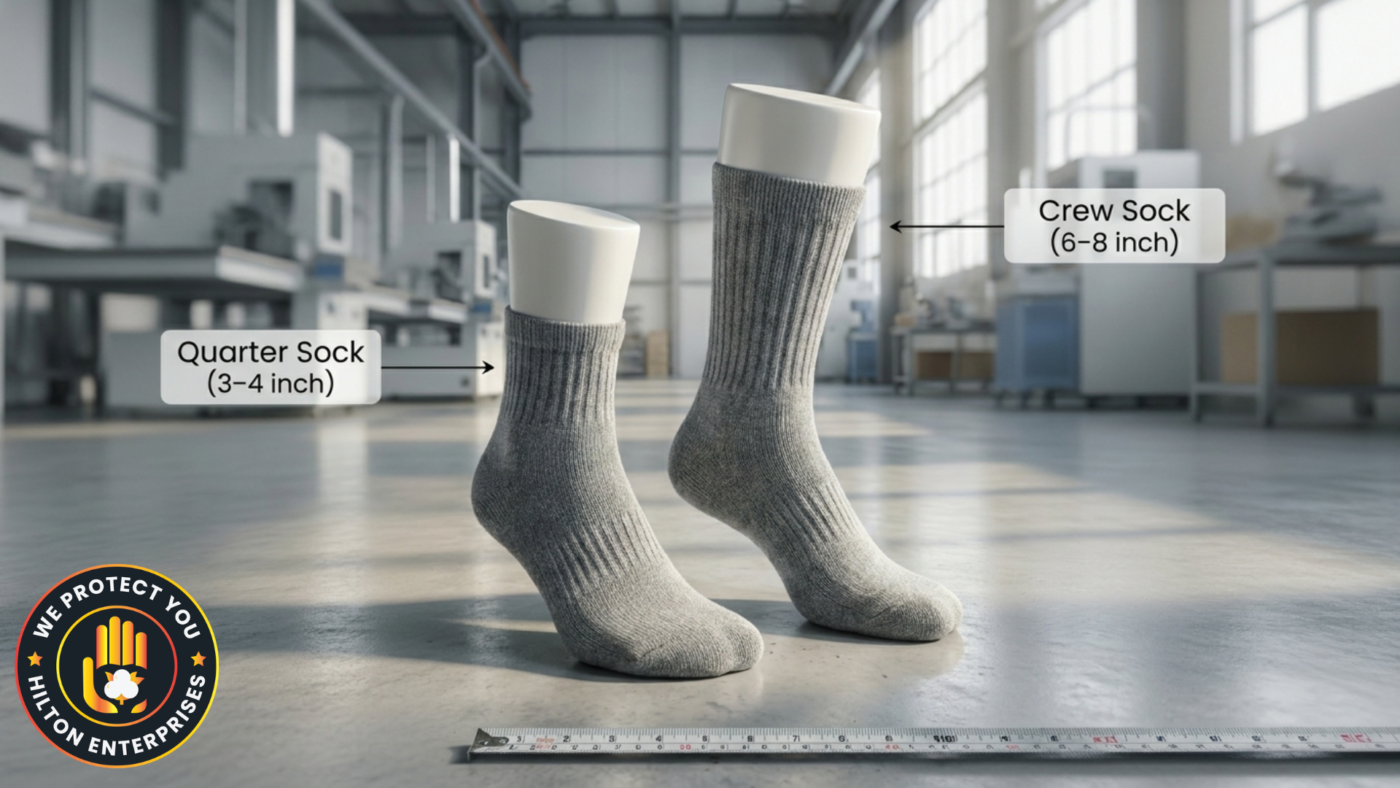
Quick answer: crew socks rise 6–8 inches above the ankle to mid-calf, while quarter socks rise 3–4 inches above the ankle bone — about halfway between an ankle sock and a crew sock.
On the production floor, this height is what determines where the heel turn starts on the knitting cylinder, which is also why the two lengths are programmed and quoted differently. Quarter socks suit low-top sneakers, warm weather, and athletic wear where less bulk matters. Crew socks suit boots, cold weather, and any look that wants more leg coverage. Neither length is objectively better — the right one depends on the shoe, the season, and the activity.
This guide breaks down the real differences in height, fit, and application, so you can choose with confidence — whether you’re picking socks for your own wardrobe or sourcing a sock line for your brand.
Explore our full range of premium sock constructions, including
>> crew socks manufacturing specifications
>> quarter length performance socks
What Is a Quarter Sock?
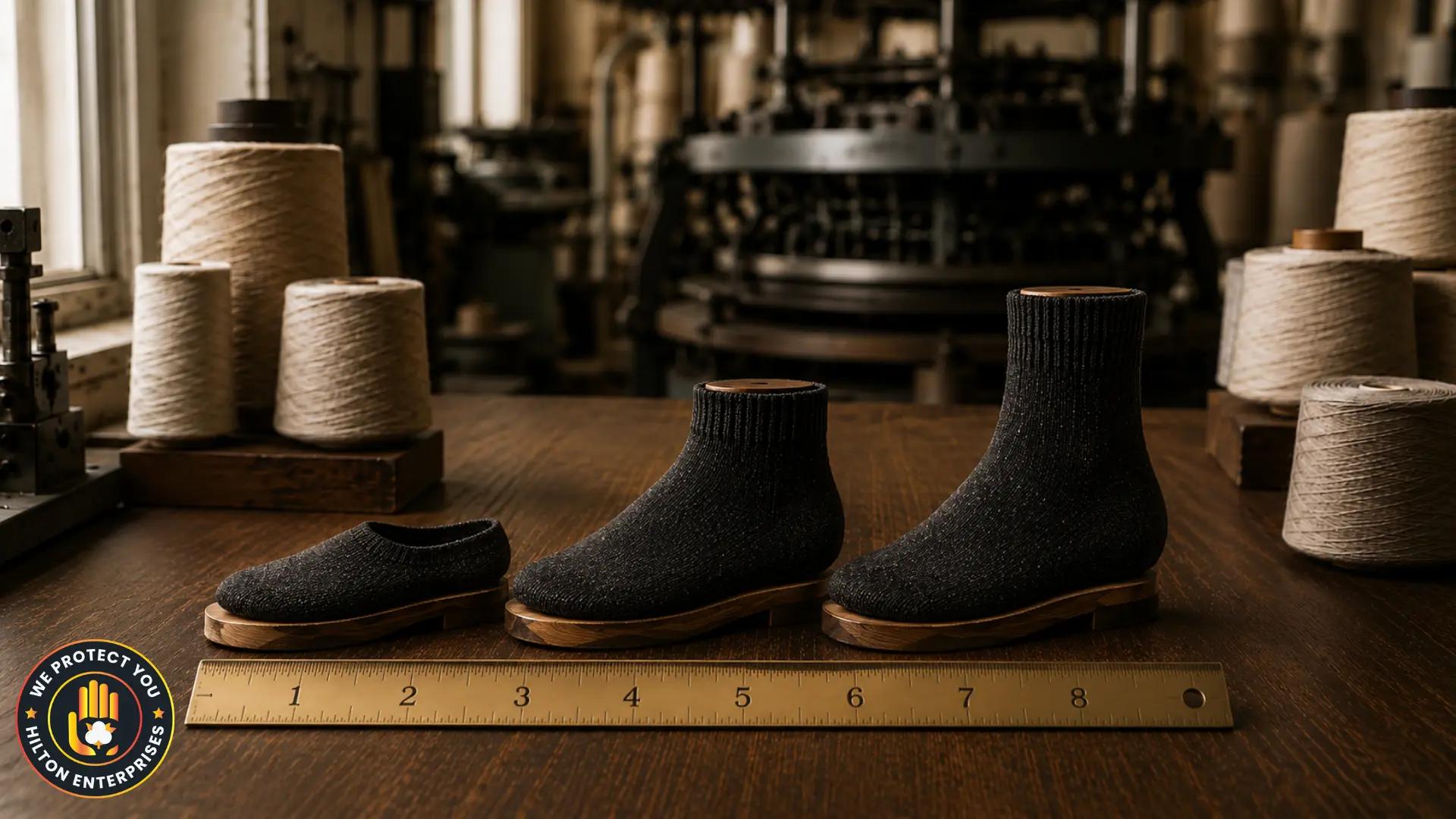
A quarter sock rises approximately 3 to 4 inches above the ankle bone. The name refers to covering roughly one-quarter of the distance between the ankle and the knee. On a knitting program, this is the shortest leg length before the machine begins the heel-turn sequence — the point our pattern team marks first when setting up a new style.
Quarter socks sit higher than ankle or no-show socks but well below the crew line. That makes them the middle option in the sock-height lineup: visible above a low-top sneaker, but never tall enough to show under a boot cuff or wide-leg pant.
If you’re sourcing this style for production, explore our
>> custom quarter socks manufacturing options
What Is a Crew Sock?
A crew sock rises 6 to 8 inches above the ankle bone, reaching mid-calf. It is the most recognized sock length in the US market and the default height for athletic, school, and everyday socks sold at scale. On the production side, it’s also at this length that leg knit time and yarn draw start to add up noticeably across a large order.
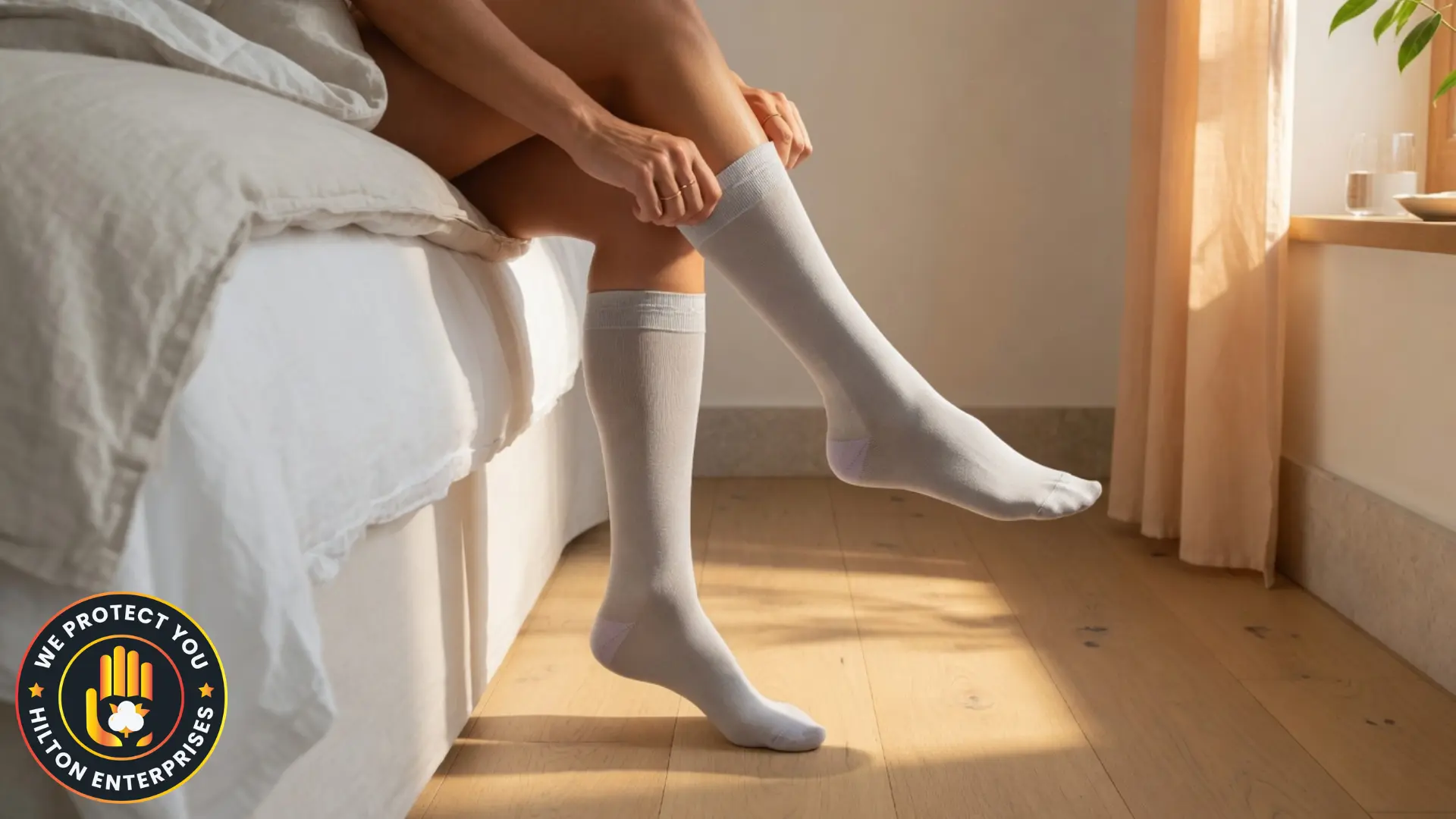
The extra height means more fabric, more warmth, and more coverage — which is exactly why crew socks dominate cold-weather and boot-based footwear categories.
For bulk orders and private label production, see
>> crew socks manufacturing specifications
Crew vs Quarter Socks: Height Comparison
| Quarter socks | Crew socks | |
|---|---|---|
| Height above the ankle | 3–4 inches | 6–8 inches |
| Coverage | Above the ankle bone, below the calf | Mid-calf |
| Best shoe match | Low-top sneakers, running shoes | Boots, work shoes, high-tops |
| Best season | Warm weather, year-round athletic | Cold weather, layered looks |
| Typical use | Running, training, casual sneakers | Boots, hiking, team uniforms, everyday wear |
Most brands produce both lengths as part of a single retail or wholesale program.
Compare options across our full sock lineup:
Quarter Socks vs Crew Socks: Which Should You Choose?
Choose quarter socks if you wear low-top sneakers, want less bulk, or are active in warm weather. The shorter height keeps the sock hidden or barely visible above the shoe collar, reduces fabric weight against the skin, and improves airflow — three things that matter for running, gym training, and everyday sneaker wear.
Choose crew socks if you wear boots, want maximum coverage, or need warmth. The mid-calf height protects the shin from boot rubbing, traps more warmth in cold conditions, and is the standard expectation for athletic uniforms, work boots, and classic Americana style.
A simple way to decide: look at the shoe first, then the climate. Low shoe collar and warm weather point to quarter length. Boots, cold weather, or a uniform requirement point to the crew.
Quarter Socks vs Crew Socks for Sneakers
This is where the comparison is most debated. With low-top sneakers, a quarter sock sits just above the shoe collar — visible but minimal. A crew sock, by contrast, bunches above the shoe and is fully visible up the shin, which some wearers like for a retro athletic look, while others find it bulky.
Brands like Lululemon popularize both lengths side by side, and the “quarter vs crew” debate among sneaker-focused shoppers usually comes down to this single preference: minimal and barely-there, or fuller and more visible.
Quarter Socks vs Crew Socks for Boots
For boots, the comparison is less close. A quarter sock’s 3–4 inch height typically sits below the boot’s ankle collar, which means the bare shin or calf can rub directly against the inside of the boot. A crew sock’s mid-calf height fully covers that contact zone, which is why crew length is the standard recommendation for boots, hiking shoes, and any footwear with a tall ankle collar.
How These Lengths Fit Into the Full Sock Height Lineup
Quarter and crew sit at the third and fourth positions in a five-step sock height lineup, running from shortest to tallest:
- No-show / low-cut — sits at or below the shoe line, invisible
- Ankle — just above the ankle bone
- Quarter — 3–4 inches above the ankle
- Crew — 6–8 inches above the ankle, mid-calf
- Knee-high — extends to just below the knee
Seeing quarter and crew next to the rest of the lineup makes the choice easier: quarter is the low-bulk middle ground, crew is the full-coverage standard, and everything else is a length adjustment in one direction or the other.
What Actually Changes in Production Between the Two Lengths
The height difference is not just a cutting decision — it changes what happens on the knitting machine.
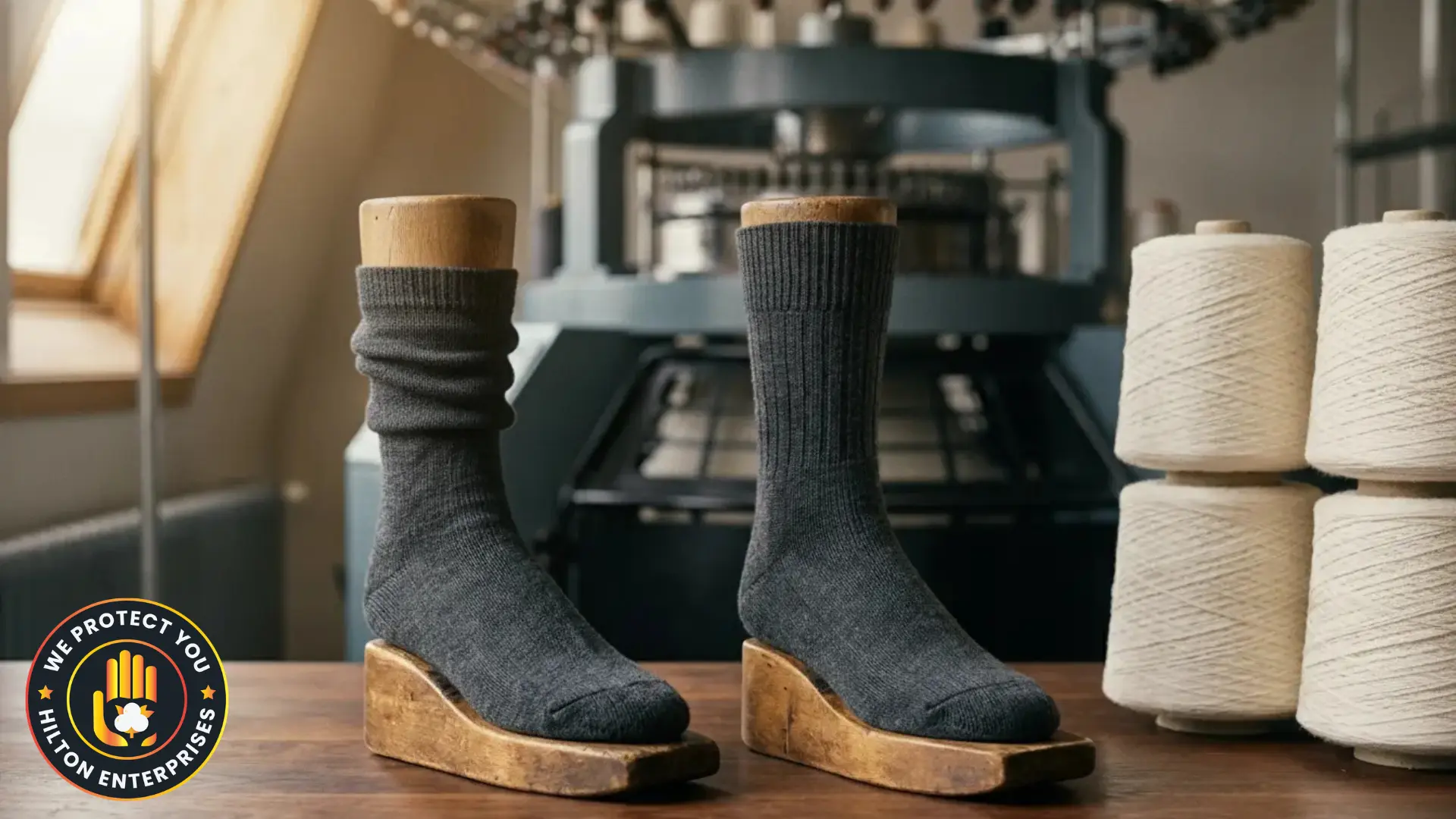
Sock leg sections are formed on a circular knitting machine, where needles knit in sequence around a cylinder to build the tube one course at a time, as Cotton Incorporated’s CottonWorks explains in its sock manufacturing overview. A crew sock requires roughly 30 to 40 percent more courses in the leg section than a quarter sock, because the tube must extend an additional 3 to 4 inches before the machine starts the heel turn. That means more yarn per pair, slightly longer cycle time per sock, and — on older single-cylinder machines — a longer run before the machine can switch to the next style or colorway.
Learn more about our production capabilities in
>> sock manufacturing & export facility overview
This is also where small custom orders get more expensive per pair on crew length than people expect. A quarter sock’s shorter leg section reaches the heel turn faster, so a manufacturer can fit more program changes and color swaps into the same shift. Crew socks, especially in multi-color jacquard logos that run the full leg height, take longer to set up and knit — which is why some factories quote a higher per-pair price for crew at low volumes, even though the material cost difference between the two lengths is small.
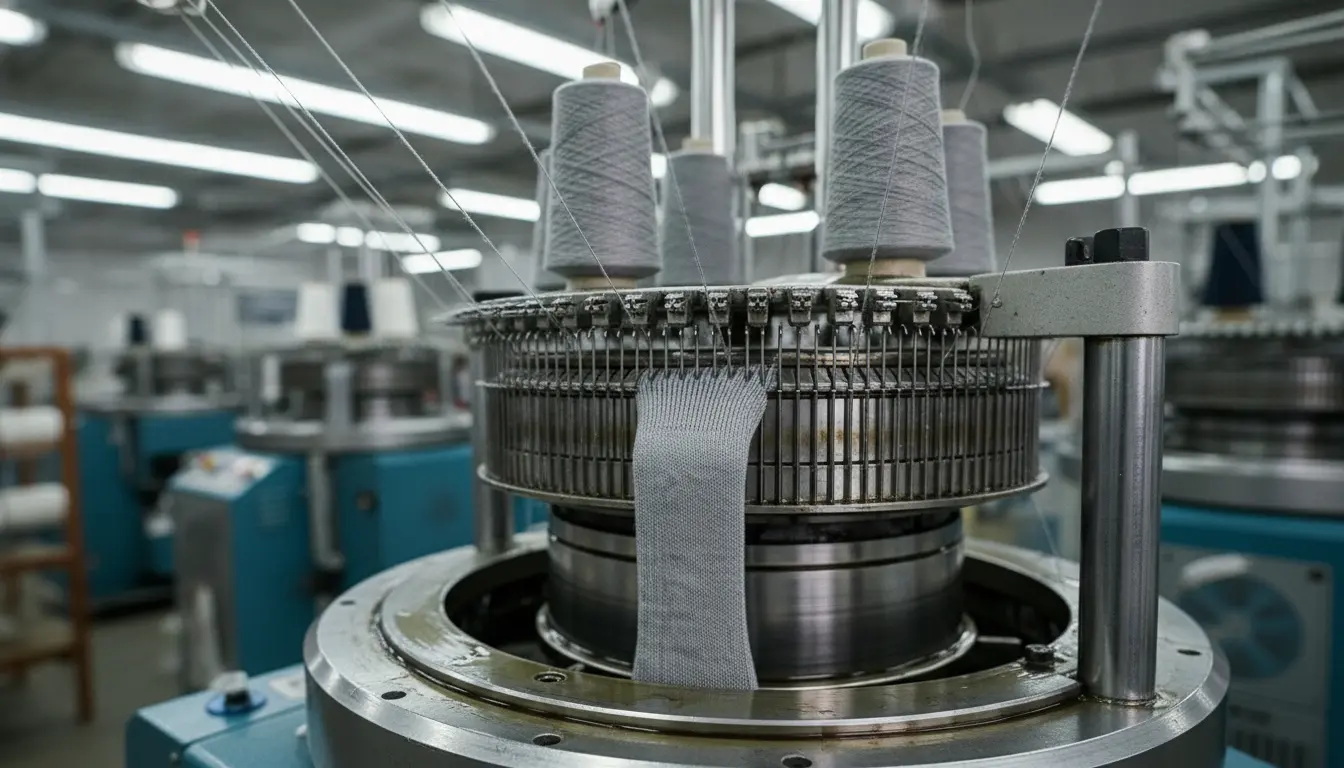
Crew socks require roughly 30–40% more knitting courses than quarter socks to extend the leg tube before the heel turn.
For brands ordering both lengths in one program, the practical takeaway is this: keep crew sock branding within the lower leg panel where possible, rather than running a logo the full height of the sock. It cuts setup time without changing how the sock looks on the foot.
Frequently Asked Questions
Is a quarter sock the same as an ankle sock?
No. Ankle socks sit at or just above the ankle bone and are low-cut. Quarter socks rise another 2–3 inches, providing more coverage while remaining well below crew length.
Do quarter socks work with boots?
Not ideally. Most boots have an ankle collar taller than a quarter sock’s 3–4-inch rise, leaving bare skin exposed to the boot’s interior. Crew length is the safer match for boots.
Why do some brands call quarter socks “mid-crew”?
Naming varies by brand. “Mid-crew,” “quarter-crew,” and “quarter length” are commonly used to describe the same 3–4 inch height between ankle and full crew. The construction and fit are the same regardless of the label used.
Which length is more popular for athletic wear?
Quarter socks have grown significantly in running and training categories over the past several years, largely because of the lower bulk and better shoe-collar fit with low-top trainers. Crew remains standard for basketball, football, and other sports where shin coverage matters.
Sourcing Crew or Quarter Socks for Your Brand
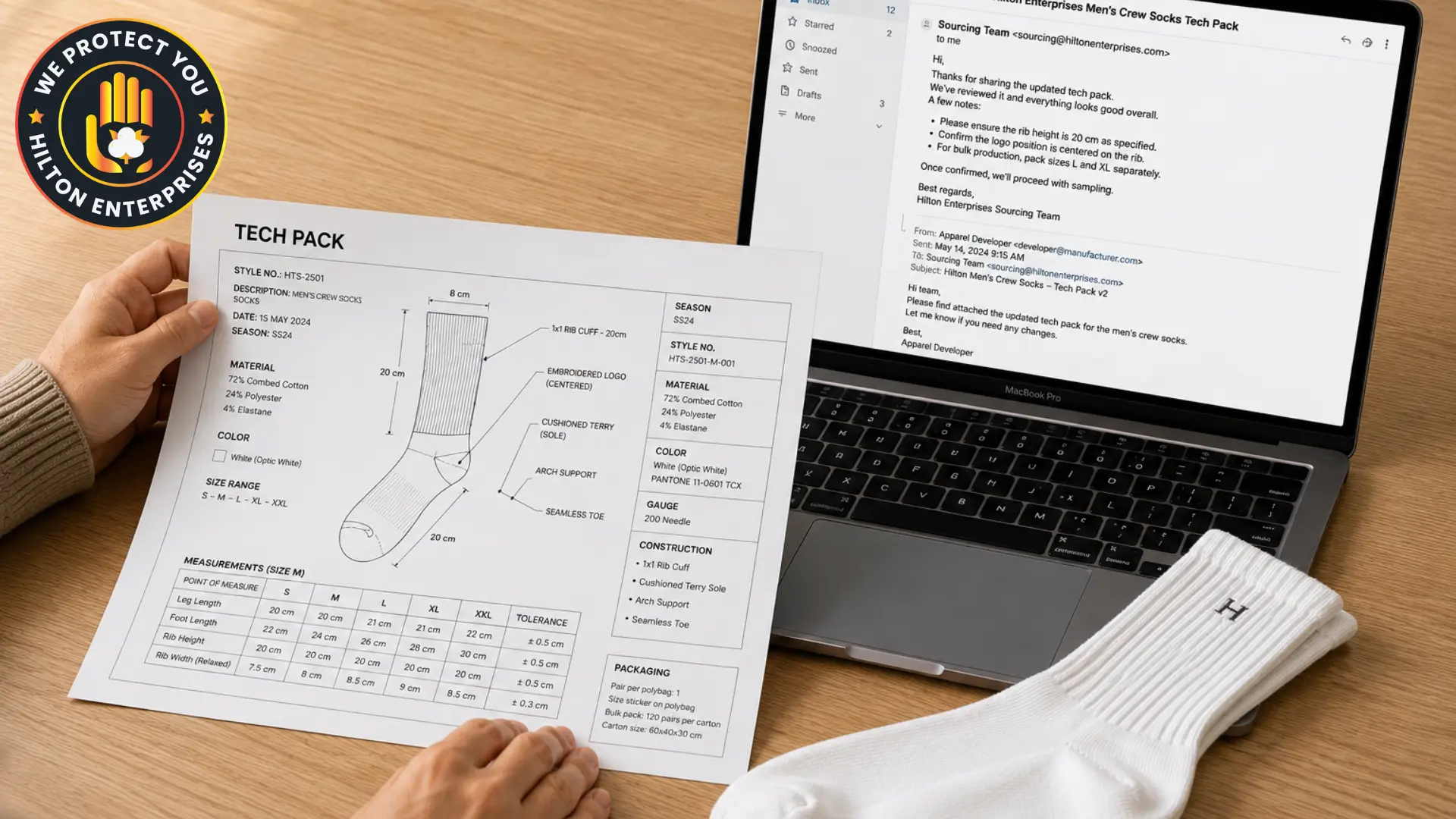
Hilton Enterprises manufactures both crew- and quarter-length socks for wholesale and private-label brands in the USA, Canada, Europe, and the Gulf — in cotton, merino wool, bamboo, and performance synthetic blends, with custom colors and logo integration starting at 5,000 pairs per style.
If you’re building a retail or team sock line, the two lengths are rarely an either-or decision. Most of our clients carry both: quarter for athletic and warm-weather lines, crew for boots, uniforms, and cold-weather collections.
- Browse crew socks manufacturing specifications
- Browse quarter socks manufacturing specifications
- Compare against ankle socks and no-show socks for the shorter end of the lineup
- Request a wholesale quote
Hilton Enterprises — Manufacturers and Exporters of Premium Socks Since 1970. Faisalabad, Pakistan. Serving wholesale and private-label brands in the USA, Canada, Europe, and the Gulf.