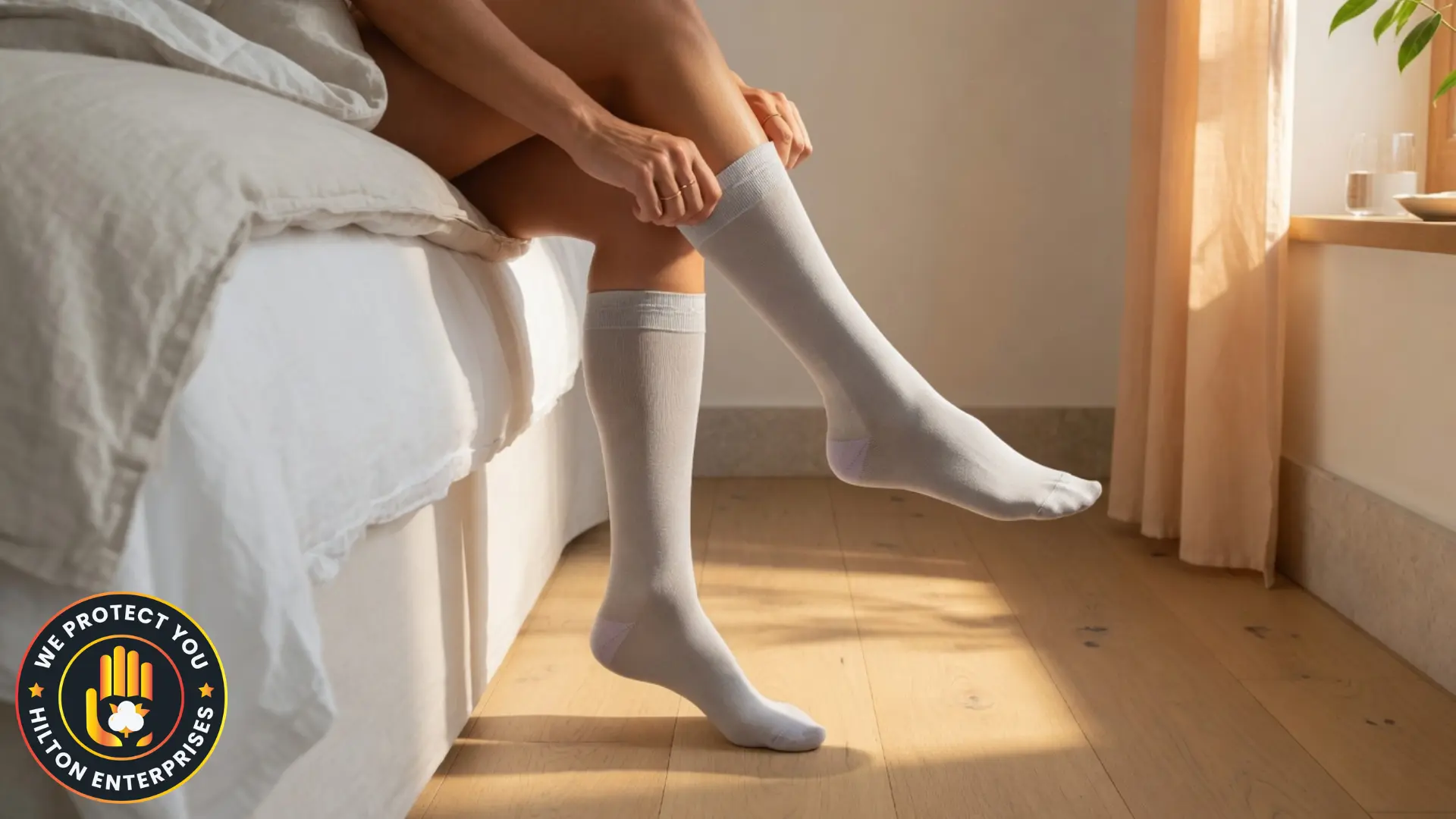
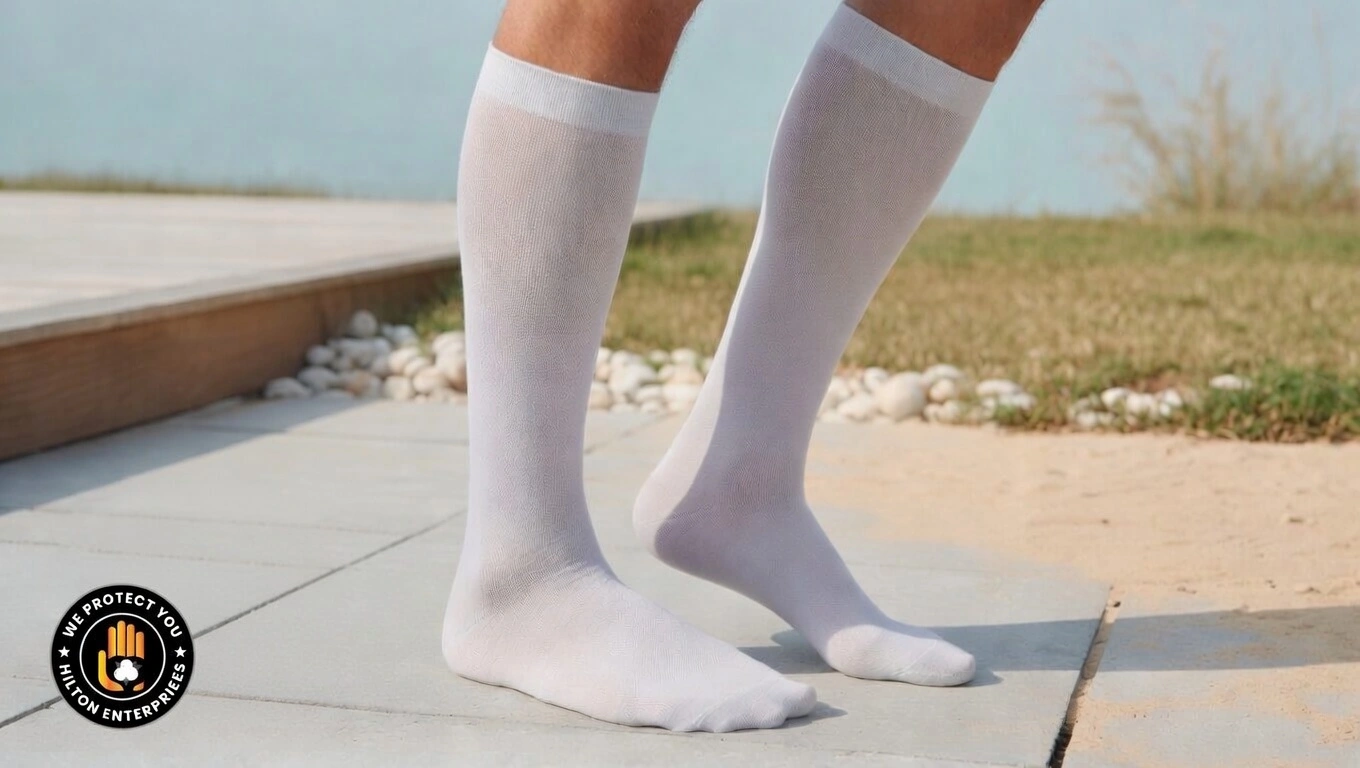
Yes, you can wear compression socks in summer — and for many people, heat makes them even more necessary. Swelling, fatigue, and poor circulation get worse when temperatures rise. Compression socks address exactly these problems. The key is choosing the right pair. The wrong material turns them into a sweaty nightmare. The right one keeps your legs cool, dry, and properly supported all day. This guide covers everything you need to know about wearing summer compression socks — from materials to fit, use cases, and what to look for before you buy.
Not sure if compression is the right type of summer sock for your situation? Our complete summer socks guide covers every material and use case — from hiking to everyday wear — to help you decide.
Why Compression Socks Matter More in Summer Heat
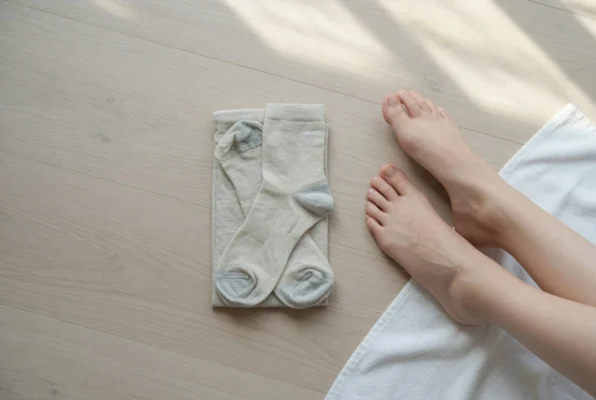
Heat causes blood to pool in the lower legs — the right compression sock counteracts this from the moment you put it on.
Heat causes your blood vessels to expand. This makes the blood pool more easily in your lower legs and feet — the same problem compression socks are designed to prevent.
If you already deal with swelling, fatigue, or varicose veins, summer is often the worst season. Standing at work, long flights, or sitting at a desk for hours all compound the issue.
Wearing compression socks in the summer doesn’t add to the problem. Done right, it solves it.
According to the Cleveland Clinic, the primary purpose of compression socks is to improve blood circulation in the legs. This benefit becomes even more critical when heat causes vessels to dilate and blood to settle in the lower extremities.
Here’s what compression socks actually do:
- Apply graduated pressure (tighter at the ankle, looser toward the knee)
- Push blood upward, reducing pooling in the lower leg
- Limit the swelling that worsens in hot weather
- Reduce fatigue for people who stand or walk all day
The Real Problem: Most Compression Socks Trap Heat
Standard compression socks are often made from thick nylon, heavy spandex blends, or synthetic fabrics designed for medical-grade pressure, not breathability.
Those materials work fine in cool conditions. In summer, they trap heat, block airflow, and cause sweating that makes the sock shift and lose its compression effectiveness.
This is why people assume compression socks and summer don’t mix. They’ve tried the wrong type.
Summer compression socks solve this with lighter construction, moisture-wicking fibers, and open-knit structures that let air circulate while still delivering the pressure your legs need.
What to Look for in Summer Compression Socks
Material
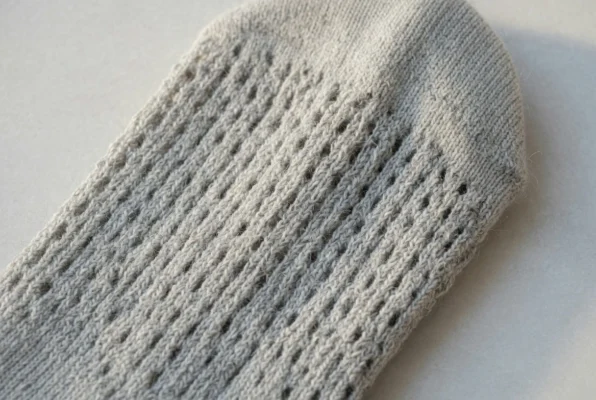
Merino wool’s fine-gauge open knit structure allows air to circulate freely — keeping your legs cool even under compression.
For a broader look at summer sock materials across all sock types — not just compression — see our Best Socks for Summer guide.
Material is the single biggest factor in summer wearability. Here’s how the main options compare:
| Material | Breathability | Moisture Wicking | Compression Hold | Best For |
|---|---|---|---|---|
| Merino Wool | Excellent | Excellent | Good | All-day wear, hiking, travel |
| Bamboo | Very Good | Very Good | Good | Sensitive skin, casual wear |
| CoolMax® / Polyester blend | Good | Excellent | Very Good | Running, sports, and long shifts |
| Cotton | Poor | Poor | Fair | Short wear only — not recommended |
| Nylon / Spandex (standard) | Poor | Poor | Excellent | Medical use, cool climates only |
Cotton feels comfortable at first, but absorbs sweat and holds it. This leads to heat buildup, slipping, and skin irritation. Avoid cotton in summer compression socks.
Merino wool is counterintuitive — it sounds hot, but its natural fiber structure actively regulates temperature and pulls moisture away from skin. Research by The Woolmark Company confirms that merino wool maintains thermal equilibrium during both activity and rest phases, outperforming synthetics in managing heat and moisture. It works in summer as well as winter.
For the full fiber science behind merino’s summer performance — including the hygroscopic process and how to choose by fabric weight — read: Are Merino Wool Socks Good for Summer?
Not sure which type of summer sock is right for your situation? Our Best Socks for Summer guide covers every material and use case — from hiking to formal wear.
Bamboo sits in the sweet spot for most people: soft, breathable, and moisture-managing, without the premium price of merino. It’s a top choice in Hilton’s lightweight summer sock range.
Weight and Knit
Look for “summer weight” or “lightweight” compression socks. These use thinner yarn and an open-knit structure that increases airflow without sacrificing compression.
Lightweight summer compression socks typically run between 8–15 mmHg for everyday use, or 15–20 mmHg for medical and high-activity needs.
Compression Level
Choose your compression level based on how you’ll use them:
- 8–15 mmHg — Mild support for travel, desk work, and light activity
- 15–20 mmHg — Moderate support for long-standing shifts, running, and mild swelling
- 20–30 mmHg — Firm support for medical conditions, varicose veins, post-surgery (consult a doctor)
- 30+ mmHg — Medical-grade, prescription-only
As WebMD notes, Compression socks are measured in mmHg (millimeters of mercury), and the right level depends on your condition and intended use. Most people doing everyday summer activities need 15–20 mmHg. Going higher doesn’t mean better results — it means more heat and discomfort if the sock isn’t specifically made for summer.
Best Summer Compression Socks by Use Case
For Long Flights and Travel
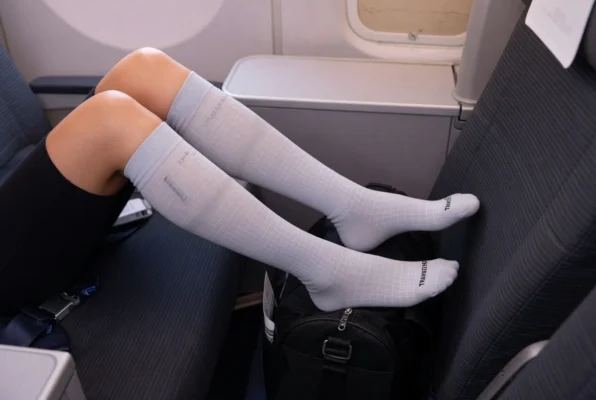
Long flights are one of the highest-risk situations for leg swelling — a lightweight knee-high compression sock at 15–20 mmHg makes the difference.
Cabin pressure changes and long periods of sitting slow your circulation dramatically. This makes travel one of the highest-risk situations for leg swelling.
Use a lightweight, breathable compression sock at 15–20 mmHg. Look for:
- Seamless toe construction (reduces pressure points in confined shoes)
- Moisture-wicking fibers
- Knee-high length for maximum circulation support
Hilton’s knee-high sock range covers custom private-label knee-high styles suited exactly for travel applications.
For Standing at Work
Women specifically dealing with summer compression needs — including mmHg level guidance, pregnancy considerations, and breathable material options — see: Women’s Summer Socks: From Compression to Hiking — Full Buyer Guide
While, for men specifically looking for the right work-and-standing sock for summer — including material and cut guidance — see: Men’s Summer Socks: Best Styles, Materials and Where to Source Wholesale.
A thin compression sock worn inside a work shoe needs to be low-profile and breathable. Bamboo or CoolMax® blends in a quarter-crew or knee-high cut work best here. Explore Hilton’s quarter sock manufacturing options for custom-branded styles built for long shifts.
For Running and Sports
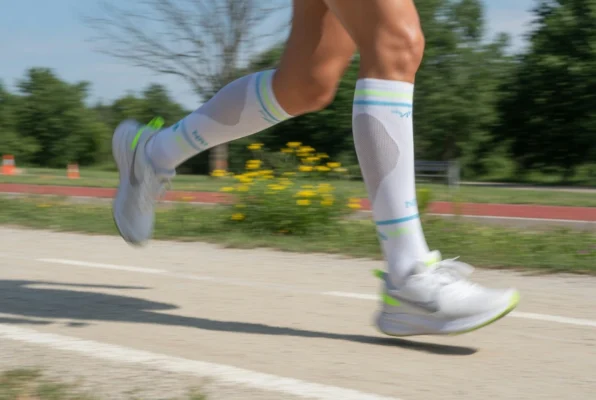
Mesh-ventilated compression socks with graduated ankle-to-calf support — built for summer runs without the heat buildup.
Running in summer compression socks improves muscle oxygenation and speeds up recovery. But standard compression socks get soaked in sweat fast.
Choose socks with:
- Targeted mesh ventilation panels on the arch and shin
- Polyester-spandex blends engineered for moisture management
- Graduated compression from ankle to mid-calf
Hilton manufactures athletic socks designed specifically for performance use — including styles with compression zones and ventilation panels suited for summer training.
If hiking rather than sport is your summer activity, our Best Summer Hiking Socks guide covers material selection, cushioning levels, and women’s-specific options in full.
For Everyday Wear and Mild Swelling
If you just want light support during hot summer days — walking, errands, time on your feet — a mild compression sock at 8–15 mmHg in bamboo or merino is the most comfortable option.
These sit close to the feel of a regular sock while still reducing swelling and fatigue. Hilton’s ankle sock range includes low-profile everyday styles that pair comfort with light graduated support.
How to Wear Compression Socks in Summer Without Overheating
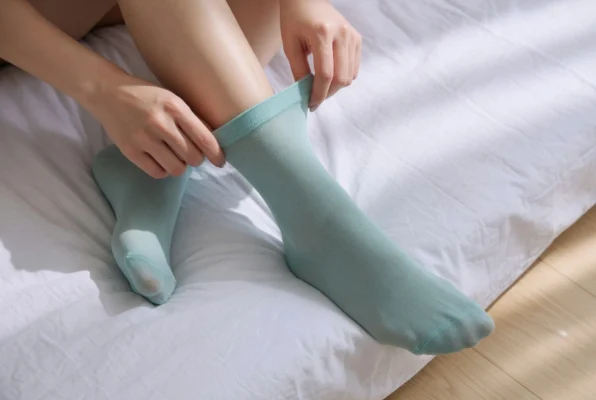
Put compression socks on first thing in the morning — before swelling starts — for the best fit and maximum effectiveness all day.
The sock material matters, but so does how you wear them. Follow these tips:
- Put them on in the morning. Your legs are least swollen first thing. Getting them on is easier, and they’ll be more effective throughout the day.
- Keep your legs dry before wearing. Moisture under the sock reduces grip and causes bunching that breaks the compression gradient.
- Size correctly. A loose compression sock doesn’t compress. Measure your ankle circumference and calf circumference — don’t just guess by shoe size.
- Elevate your legs in the evening. Give your circulation a break after wearing compression socks all day. Elevating for 15–20 minutes helps clear swelling.
- Wash after each wear. Compression socks lose elasticity faster when sweat salts break down the fiber. Hand-wash or machine-wash on a gentle cycle and air dry — never tumble dry.
Quick Checklist: Breathable Compression Socks for Summer Heat
Before buying any pair of compression socks for summer, run through this:
- Material is merino wool, bamboo, or a technical polyester blend
- Labelled “lightweight,” “summer weight,” or with mesh ventilation zones
- Compression level matches your use case (8–20 mmHg for most people)
- Sized by ankle and calf measurement, not just shoe size
- Seamless or low-seam toe construction
- Moisture-wicking — not cotton
Frequently Asked Questions
Can compression socks cause overheating in summer?
Standard compression socks made from thick nylon can trap heat. Summer compression socks made from merino wool, bamboo, or technical moisture-wicking blends are specifically designed to prevent this. The material makes the difference, not the compression itself.
How long can you wear compression socks in summer?
Most people wear compression socks for 6–12 hours at a stretch. In summer heat, take breaks when you can — remove them for 30 minutes mid-day to let your skin breathe. Avoid wearing them while sleeping unless a doctor specifically recommends it.
Is 20–30 mmHg too strong for summer?
Not if you need that level of compression. But pair it with a breathable, lightweight sock construction. A 20–30 mmHg sock in a thin merino blend will feel far cooler than the same pressure level in a heavy nylon medical stocking.
Do compression socks help with heat-related leg swelling?
Yes. Heat causes blood vessels to dilate and blood to pool in the lower legs — exactly what compression socks counteract. Many people who rarely need compression in winter find they need it consistently through summer.
What’s the difference between summer weight and regular compression socks?
Summer weight compression socks use thinner yarn, lighter fabric, and open-knit panels that increase airflow. They deliver the same graduated compression as standard socks with significantly better ventilation and moisture management.
Source Your Summer Compression Socks from a Manufacturer Who Knows the Difference
At Hilton Enterprises, we’ve manufactured compression socks for wholesale brands and private-label clients since 1970. Our facility in Faisalabad, Pakistan, produces summer-weight compression socks in merino wool, bamboo, and technical synthetic blends — built to perform in heat and meet the quality standards of the USA and Canada markets.
Whether you need 5,000 pairs of branded compression socks for your retail line or a custom design for your athletic brand, we handle design, production, and direct shipping to USA warehouses in 18–25 days.
Explore our full sock manufacturing range
Request a wholesale quote
For a step-by-step guide on wearing and styling summer compression socks without overheating: How to Wear Compression Socks in Summer Without Overheating.
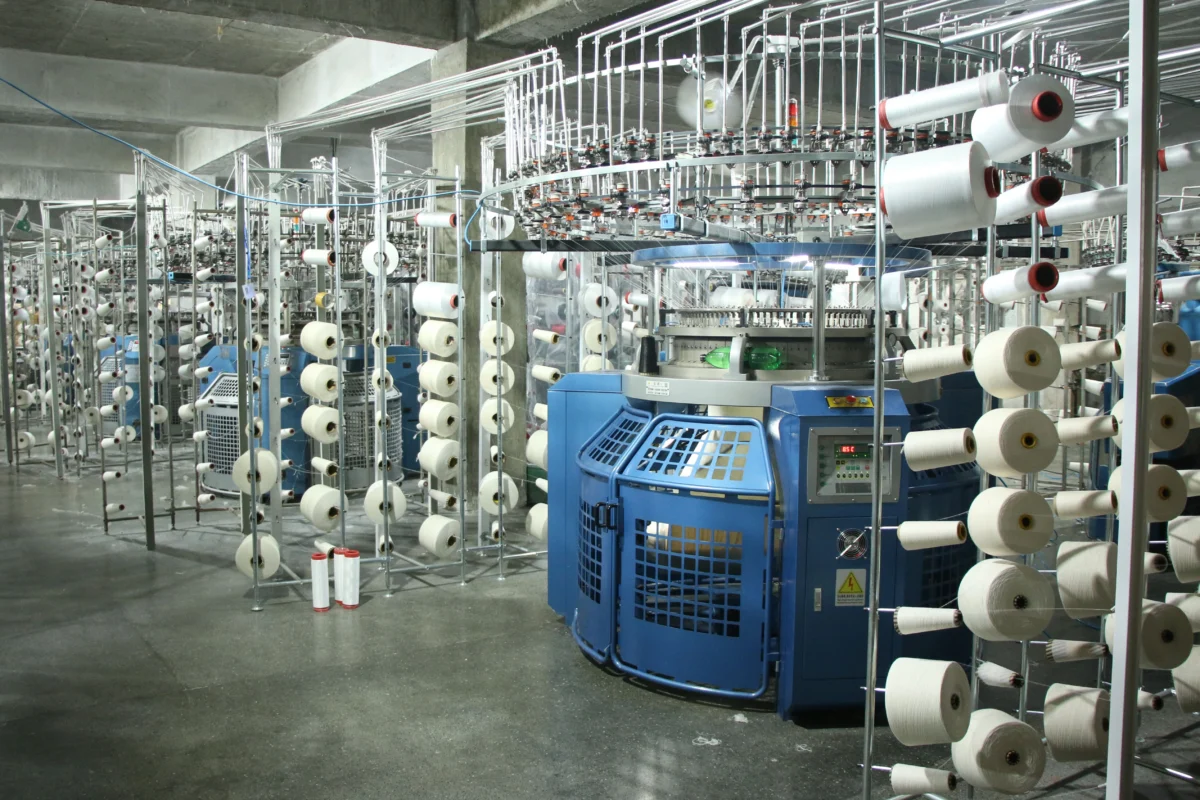
Hilton Enterprises has manufactured premium compression socks for wholesale and private-label brands in the USA and Canada since 1970 — directly from Faisalabad, Pakistan.
Hilton Enterprises — Manufacturers & Exporters of Premium Socks Since 1970. Based in Faisalabad, Pakistan. Serving wholesale and private-label brands in the USA, Canada, and worldwide.