
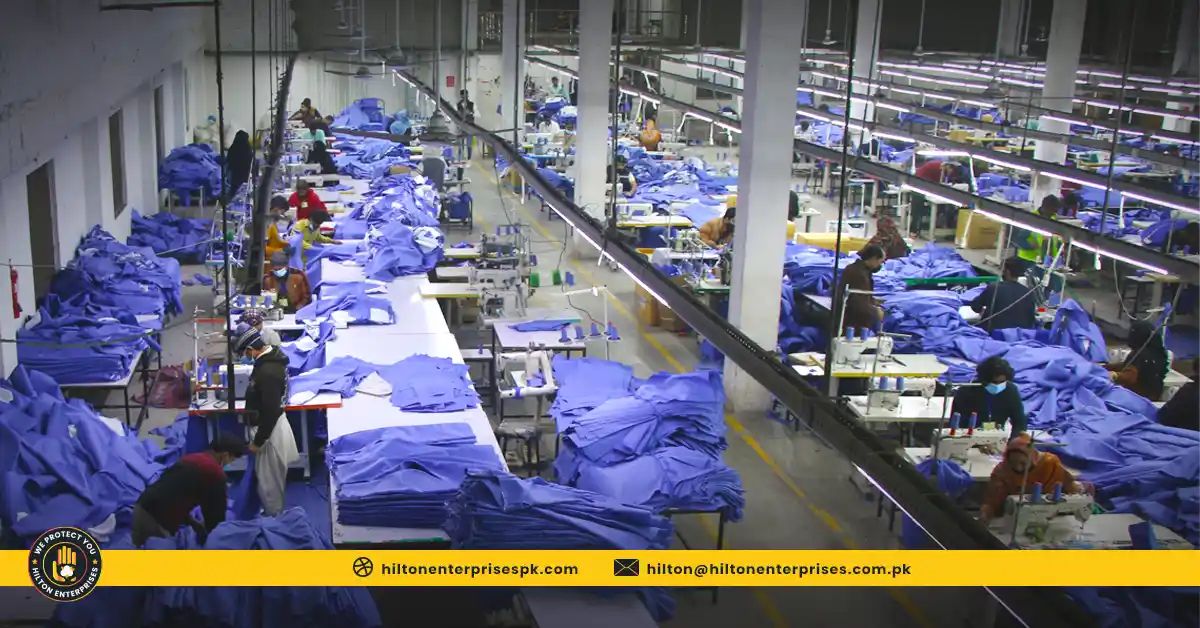
If you’re a fashion brand exploring manufacturing options, you’ve likely encountered terms like “print-on-demand,” “made-to-order,” and “mass production.” These aren’t just industry jargon; they represent fundamentally different business models with distinct advantages and limitations.
Understanding the difference between made to order clothing and other production models is critical when your brand reaches a growth inflection point. Too many promising brands get stuck using print-on-demand services long after they should have graduated to professional manufacturing, leaving significant profit on the table.
This guide explains what made to order clothing manufacturing actually means in the B2B context, how it differs from print-on-demand, and when your brand is ready to make the transition. If you’re an established brand with validated designs or a growing brand scaling beyond the startup phase, this is the production model you need to understand.
What is Made to Order Clothing?
Made to order clothing is a production model where garments are manufactured based on confirmed customer orders rather than speculative inventory. Unlike traditional mass production that creates tens of thousands of units before any sales occur, made-to-order manufacturing produces specific quantities aligned with validated demand.
However, it’s essential to distinguish between different types of “made-to-order” services:
- Made-to-measure: Custom garments tailored to individual measurements (typically consumer-facing)
- Print-on-demand: Single-item production with surface decoration like screen printing or embroidery
- Made-to-order manufacturing: Production runs of complete garments manufactured from raw materials based on brand specifications
When we discuss made to order clothing manufacturing in the B2B context, we’re referring to the third category, professional manufacturing services that produce full garment collections for fashion brands, typically in quantities starting around 5,000 units per style. This approach allows brands to produce custom designs without the financial risk of massive overproduction while maintaining the cost efficiency of batch manufacturing.
Made to Order Clothing vs. Print on Demand: Key Differences
Many emerging brands begin with print on demand services, and for good reason. POD platforms like Printful, Apliiq, and similar services offer zero upfront investment and no inventory risk. However, print on demand businesses operate fundamentally differently than professional made-to-order manufacturing.
Here’s how they compare:
| Feature | Print-on-Demand | Made-to-Order Manufacturing |
| Production Scale | 1-100 units (individual items) | 5,000+ units (production runs) |
| Customization Depth | Surface decoration on existing blanks | Complete garment construction from raw materials |
| Unit Cost (t-shirt) | $20-30 | $8-15 |
| Typical Lead Time | 2-7 days (highly variable) | 6-10 weeks (predictable) |
| Upfront Investment | None (pay per order) | Production deposit required |
| Best For | Testing concepts, zero-risk market validation | Scaling validated designs with better margins |
The critical distinction is that print on demand excels at market validation and testing designs with minimal risk, while made to order clothing manufacturing delivers superior unit economics and product quality once demand is validated. Most successful brands use POD to test concepts, then transition to made-to-order manufacturing when reorders indicate market fit.
POD business models typically struggle to scale beyond hobbyist income due to high per-unit costs and limited product differentiation. Made-to-order manufacturing solves both problems by reducing cost per unit while enabling full garment customization that creates defensible brand differentiation.
How Companies Benefit from Made to Order Production
The benefits of on demand manufacturing become clear when you’ve validated product-market fit but aren’t ready for traditional mass production. Here’s what fashion brands gain from this approach:
Waste Reduction Without Sacrificing Scale
Traditional mass production forces brands to manufacture 50,000+ units to achieve viable unit costs, creating significant inventory risk. Made-to-order manufacturing reduces waste by producing only what you’ve validated through pre-orders, confirmed retailer commitments, or established reorder patterns. You’re not gambling on consumer preferences; you’re manufacturing against validated customer orders.
This isn’t just environmentally responsible; it’s financially prudent. The fashion industry generates 92 million tonnes of textile waste annually from overproduction. Still, made-to-order models align production quantities with actual market demand, reducing both environmental impact and capital tied up in dead inventory.
Superior Profit Margins Compared to POD
While print on demand products might cost $20-30 per unit, professionally made-to-order manufacturing typically reduces costs to $8-15 per unit at 5,000+ quantities. This dramatically improves profit margins while maintaining flexibility.
Consider a t-shirt selling for $40 retail:
- POD model: $25 cost → $15 gross profit (37.5% margin)
- Made-to-order manufacturing: $12 cost → $28 gross profit (70% margin)
That difference funds marketing, team expansion, and reinvestment in product development, competitive advantages that pure print on demand businesses struggle to achieve.
Optimized Supply Chain and Lead Times
Professional demand manufacturing optimizes your supply chain by batching production runs efficiently. While POD services produce items individually (extending turnaround time), made-to-order manufacturing schedules production runs strategically to minimize lead times while maintaining batch efficiency.
Typical lead times for made-to-order clothing production range from 6-10 weeks from order confirmation to delivery, significantly faster than traditional mass production (which can take 4-6 months), while more predictable than POD (which varies wildly based on demand spikes).
Faster Time to Market for New Designs
Made-to-order manufacturing dramatically improves time to market compared to mass production while delivering better quality than POD. You can test new colorways, adjust fits based on customer feedback, and respond to trend shifts without the multi-month lead times and massive minimums of traditional manufacturing.
This agility is crucial in the modern fashion industry, where customer preferences shift rapidly, and brands need to respond without betting the company on a single production run.
How On Demand Clothing Manufacturing Works
Understanding the on demand clothing manufacturing process helps brands plan realistic timelines and set appropriate expectations. Here’s how professional made-to-order production typically flows:
1. Design Validation and Sampling
Before production begins, manufacturers create samples to validate construction, fit, and materials. This phase ensures high quality before committing to full production. Unlike print on demand market services that offer limited customization, made-to-order manufacturing allows complete specification of fabrics, trims, construction methods, and finishing details.
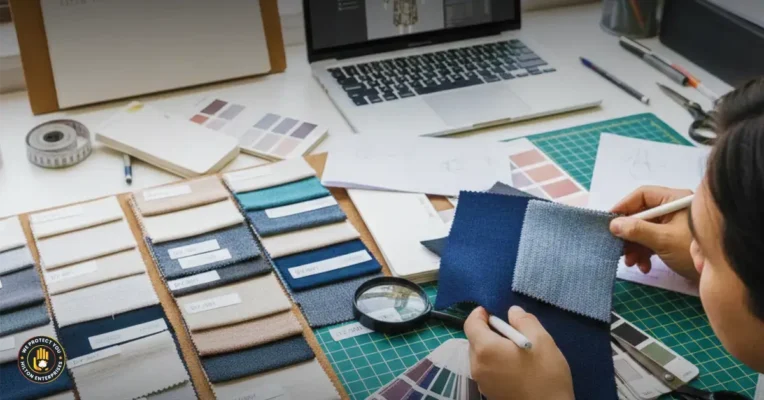
Sampling typically takes 2-3 weeks and involves multiple revision rounds until the garment meets your exact specifications.
2. Order Confirmation and Scheduling
Once samples are approved, you confirm your customer orders and finalize quantities, sizes, and color distributions. The manufacturer then schedules your production run within their capacity planning, ensuring efficient use of resources while meeting your delivery timeline.
3. Production Timeline and Lead Times
Professional demand apparel manufacturing operates on predictable production cycles. After materials are sourced (typically 2-3 weeks), cutting and sewing take 3-4 weeks, followed by quality control and finishing (1 week).
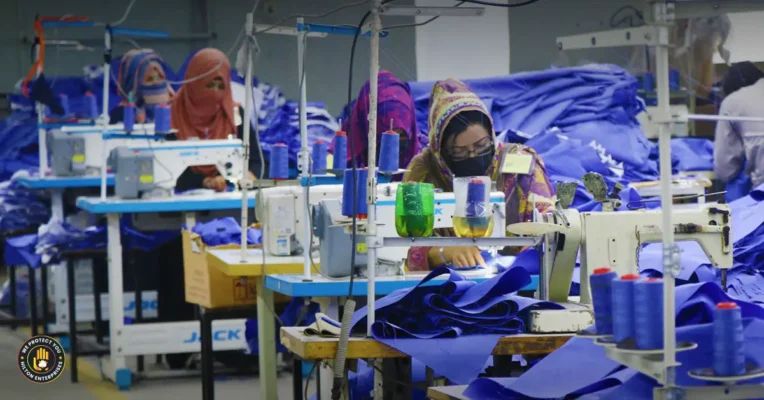
Total lead times from order confirmation to delivery typically range from 6 to 10 weeks, depending on product complexity and current production loads. This is substantially faster than traditional mass production while maintaining batch efficiency benefits that POD services can’t match.
4. Quality Control and Delivery
Professional manufacturers implement rigorous quality control processes to ensure high-quality output. Each garment undergoes inspection for construction quality, measurements, and finishing before packing.
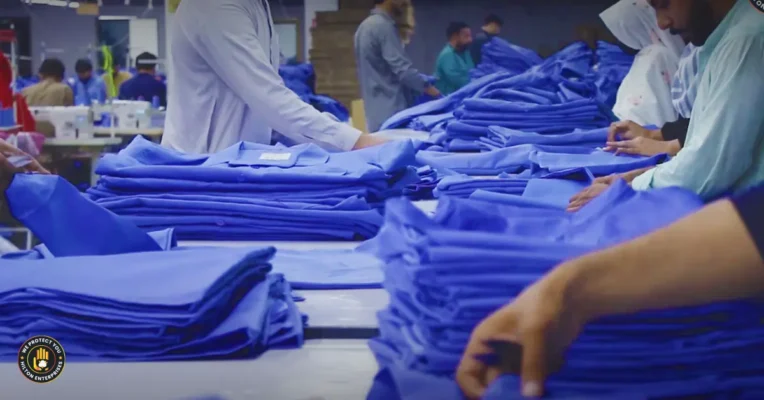
The final turnaround time includes shipping to your warehouse or fulfillment center, typically adding 1-3 weeks depending on destination and shipping method selected.
Is Your Brand Ready for Made to Order Manufacturing?
Most fashion brands should start with print on demand to validate concepts, then transition to made-to-order manufacturing when specific indicators emerge. Here’s how to know you’re ready:
You Have Validated Demand
If specific designs consistently generate reorders, you’ve validated product-market fit. When a single design sells 500+ units through POD, the economics strongly favor transitioning to made-to-order manufacturing. The improved profit margins on reorders will quickly offset the higher upfront commitment.
You’re Ready to Scale Beyond One-Offs
If you’re spending more time managing POD production than designing new products, or if your POD business feels stuck at a revenue plateau, made-to-order manufacturing offers the next growth stage. The production model shift typically coincides with brands transitioning from pure direct-to-consumer sales to wholesale partnerships with retailers.
You Have Capital for Production Runs
Made-to-order manufacturing requires upfront capital for production deposits and inventory. Brands should be financially ready to commit to production runs, typically starting around 5,000 units per style for optimal pricing. This isn’t as daunting as it sounds: if you’re already selling 500 units of a design through POD, producing 5,000 units through manufacturing just extends your inventory timeline while dramatically improving margins.
Your Designs Are Finalized
Unlike POD, where you can tweak designs constantly, made-to-order manufacturing works best when designs are locked and validated. You should have clear technical specifications, confirmed fabrics, and validated fit before committing to production. This is why sampling phases are critical; they’re your final opportunity to refine before scaling.
Making the Transition to Made to Order Clothing Manufacturing
The evolution from print on demand to made to order clothing manufacturing represents a pivotal growth stage for fashion brands. You’re moving from market validation to market scaling, from testing concepts to building a sustainable business with defendable margins.
The key is timing this transition correctly. Too early, and you risk overproduction before validating demand. Too late, and you leave significant profit on the table while competitors with better economics outmaneuver you on price and marketing investment.
Look for these indicators: consistent reorders of specific designs, retailers requesting wholesale partnerships, POD business revenue plateauing despite marketing efforts, and customer feedback requesting better quality or custom features that POD services can’t deliver.
When these signals align, it’s time to partner with an experienced manufacturer who understands on demand clothing manufacturing for growing brands. Look for partners with flexible minimum orders, proven quality systems, transparent communication, and experience scaling brands from the validation stage to market leadership.
Partner with Proven Manufacturing Expertise
Hilton Enterprises has been manufacturing high-quality apparel for over 54 years, helping brands navigate the transition from validation to scale. Our made-to-order clothing manufacturing services support growing brands with flexible production scheduling, rigorous quality control, and competitive pricing for production runs starting at 5,000 units.
Whether you’re moving beyond print on demand or scaling an established line, we provide the manufacturing partnership you need to grow profitably. Contact us to discuss your made to order production needs and discover how professional manufacturing can transform your brand economics.
FAQs:
Q1: What is the difference between made-to-order and print-on-demand?
Made-to-order produces complete garments in batches of 5,000+ units at $8-15 each, while print-on-demand decorates pre-made blanks individually at $20-30 per piece.
Q2: What is the minimum order quantity for made-to-order clothing?
Most professional manufacturers require 5,000 units per style to achieve optimal pricing and production efficiency.
Q3: How long does made-to-order production take?
Typical lead time is 6-10 weeks from order confirmation to delivery, including material sourcing, production, quality control, and shipping.
Q4: When should I switch from print-on-demand to made-to-order?
Switch when a design consistently sells 500+ units or when profit margins from POD limit your ability to scale and invest in growth.
Q5: Can I fully customize my designs with made-to-order?
Yes, you control fabrics, trims, construction, fits, and finishes, unlike POD, which only applies graphics to existing blanks.
Q6: Is made-to-order more sustainable than mass production?
Yes, it produces only validated quantities based on confirmed orders, eliminating the overproduction waste from speculative manufacturing.


Recent Comments